

For eight years, Audrey Bingaman lived and worked side by side with Syrians — in refugee camps, in offices, and through the daily rhythm of her work as the Fundraising Manager at Child Houses. She married into a Syrian family, fell in love with the culture, language, food, and warmth, and devoted her professional life to helping Syrian children rediscover family and belonging.
Despite her deep connection to Syria, she never imagined that one day she would set foot on its soil. So, when it finally became possible, it felt like a miracle — one that had been a long time coming. The news spread among the Child Houses team with great excitement: “Audrey is coming to Syria for the first time!” The colleague we all knew for her constant smile and quick tears whenever she saw a photo of a child embraced by their new family. The same woman who had learned Arabic to say to us, in her charmingly broken accent: “Ahleen! Shlonak?” — a phrase that never failed to fill the room with laughter and affection.
In preparation for her visit, the team decided to decorate the office with ribbons and colorful balloons. Although the office in Aleppo is modest and its walls still bear the cracks of the earthquake, with power cuts and unreliable internet, the spirit of the team filled the place with warmth and life. When Audrey entered the office for the first time, the moment was far greater than a work visit. She met our team face-to-face after years of virtual meetings.
But it was at our temporary shelter that she experienced one of the most emotional moments of her life.
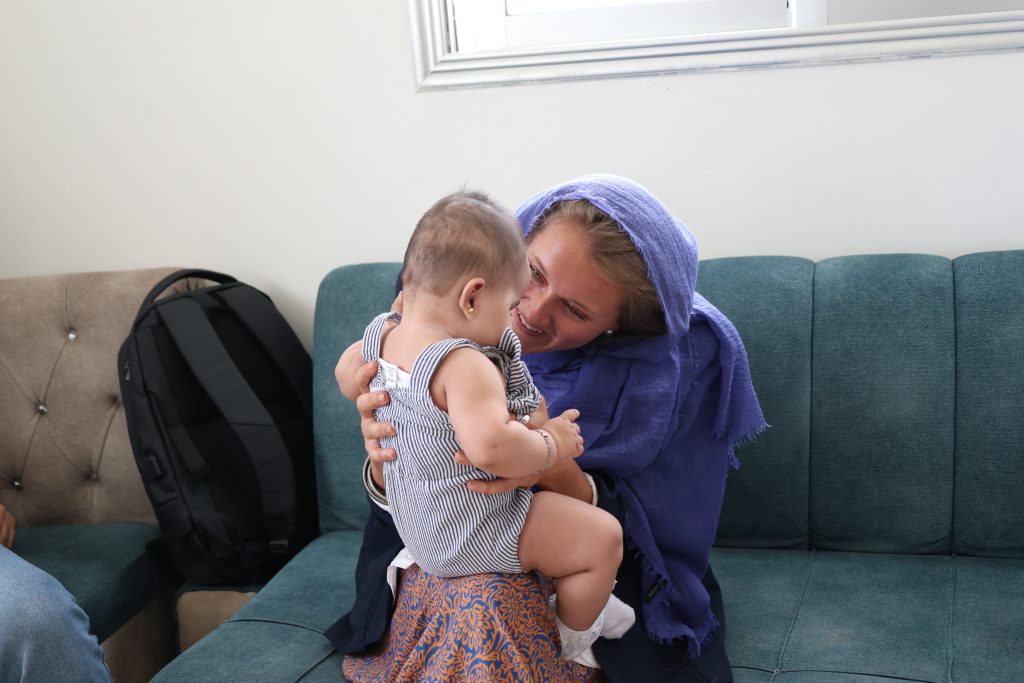
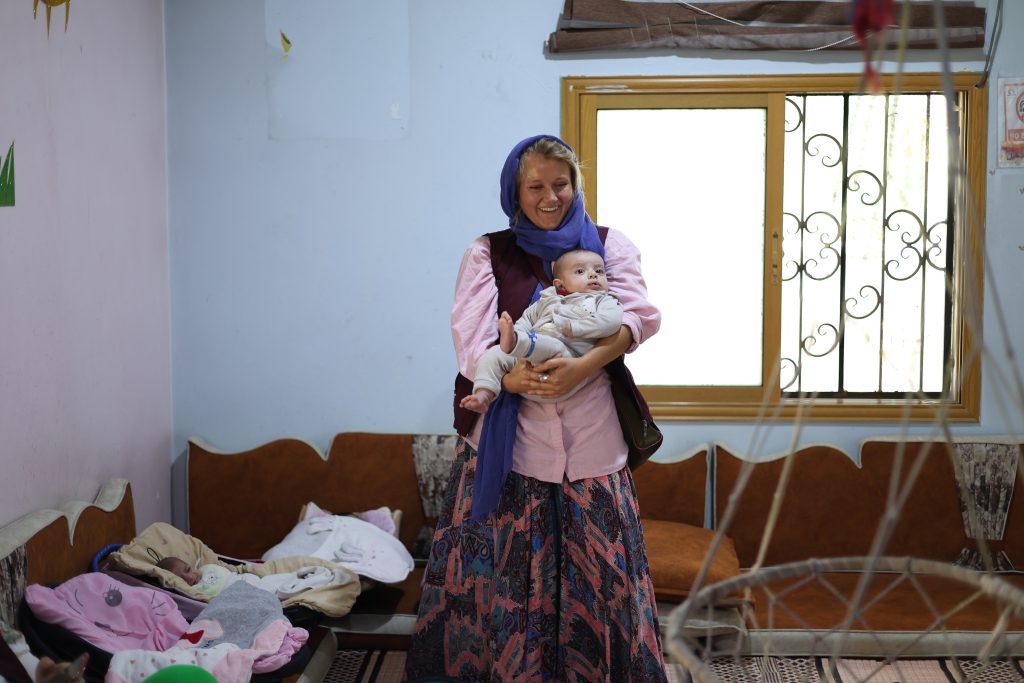
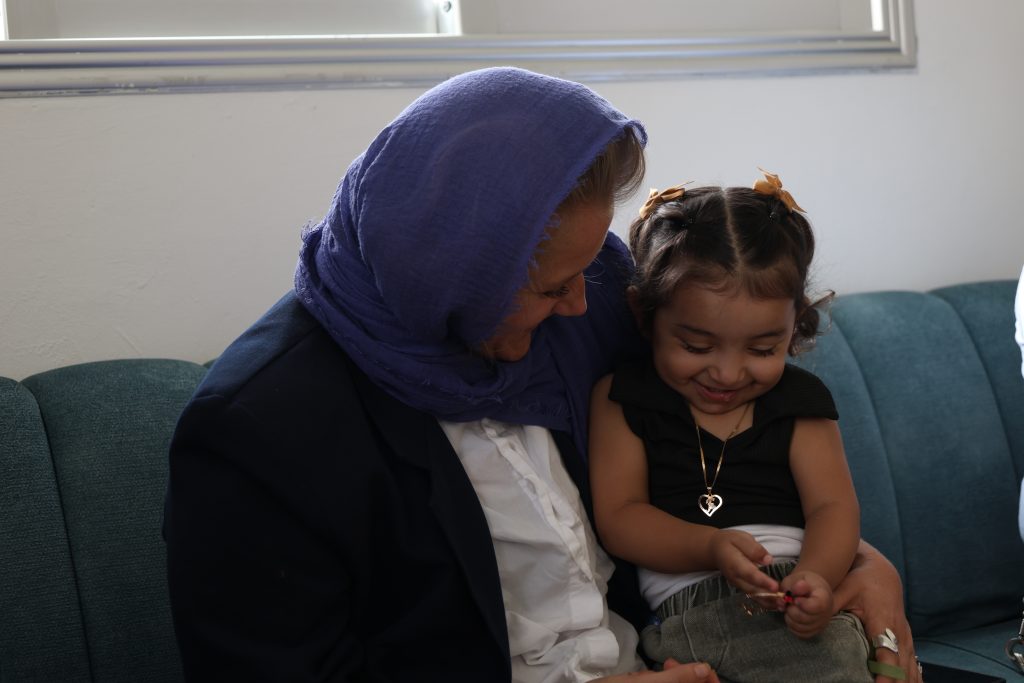
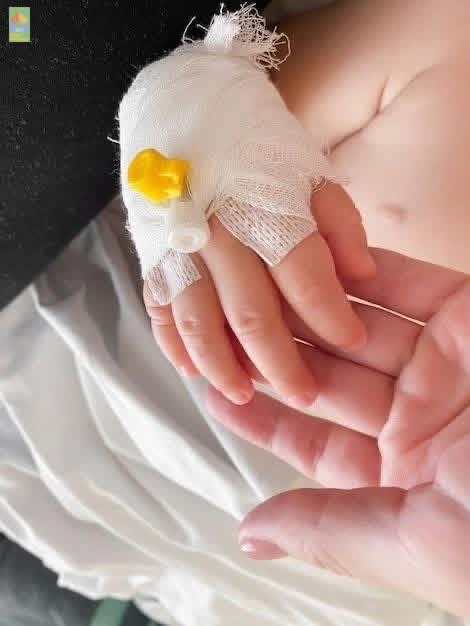
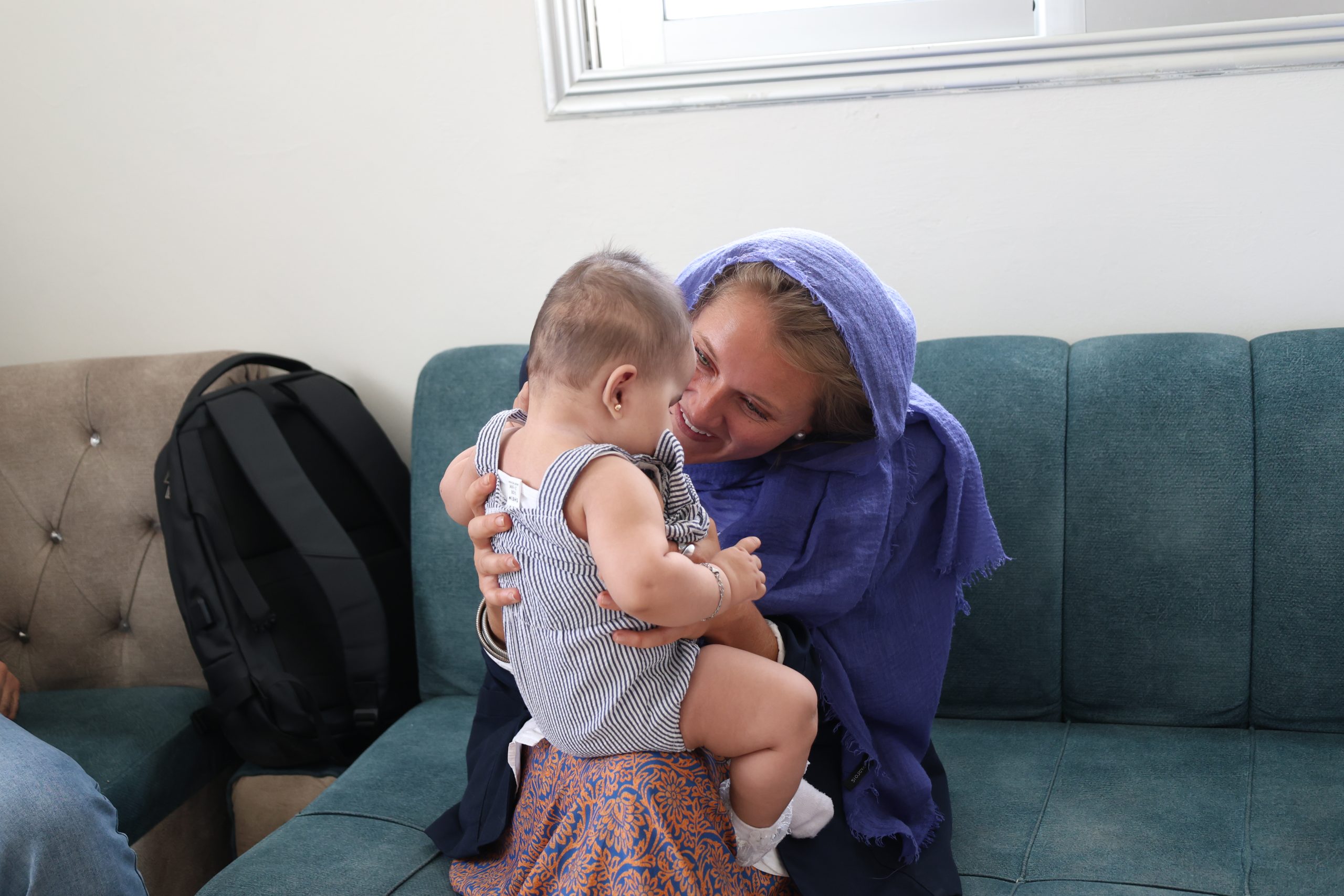
“Meeting our team in person and walking into our shelter for the first time was one of the most emotional experiences of my life. I met nine tiny babies who had been abandoned in recent months. Holding their small fingers, reading their name tags, watching our caregivers feed and rock them with such tenderness — it took my breath away.
It was heartbreaking and holy all at once. These babies were alone, yet surrounded by love. Our caregivers have been with us for years, and their care goes far beyond duty — it’s maternal, sacred. I left that day in tears, thinking, there’s nothing more meaningful I could ever do in my life than being part of this mission.
Since returning, my work has changed. Every proposal I write, every donor call, now carries the image of those babies and the faces of our team. It’s no longer abstract. And I’m more committed than ever to ensure that every child we reach can experience the same love, dignity, and belonging I witnessed that day.”
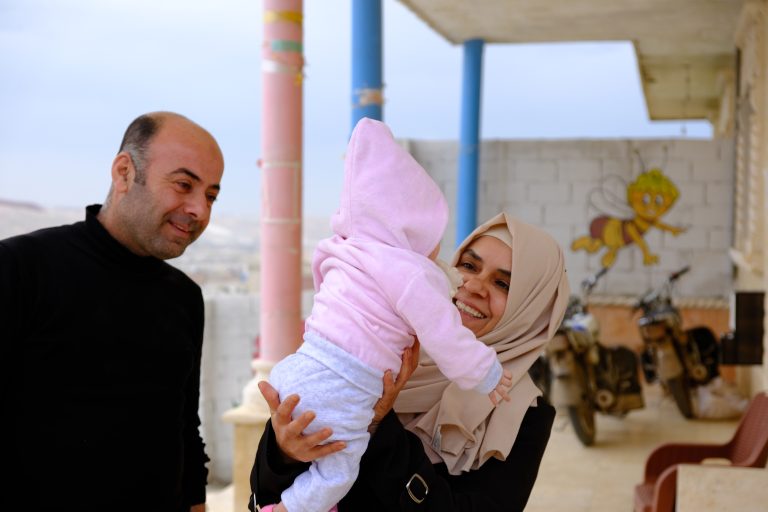
Later, Audrey had the experience to witness a foster placement celebration live for the first time, after years of seeing photos and videos of these celebrations. As always, her eyes filled with tears as she witnessed that first moment of meeting between the child and his new parents.
With deep gratitude, she reflected, “It was so special to witness this moment.”
“Children who begin life utterly alone — fragile, unseen, and with all odds against them — become the light and center of new families. Child Houses is not just an organization; it’s a family creating families, stitching back together the torn fabric of community and belonging.”
Audrey also toured the streets of Aleppo, Damascus, and Idlib, breathing in the scent of history and discovering the spirit of Syria she had always heard about — a country of powerful contrasts, between destruction and beauty, loss and generosity. What moved her most was the kindness of people despite all they have faced. She said: Syrians have lost so much, but they have never lost their generosity and hospitality. So many places I entered and they immediately greeted me with “ahlan wa sahlan” (welcome) and never let me leave empty-handed and even many places refused to accept payment. For a country fresh out of war and 90% of its population living below poverty. It’s very touching and special.”
Since her return from Syria, Audrey said “I now carry a deeper commitment to telling the stories of the children I held, the families I ate with, and the people who welcomed me with open hearts — not only to share their strength and hope, but to honor the Syrian experience itself: the pain of war, the resilience through loss, and the incredible richness of culture that continues to shine through it all.”